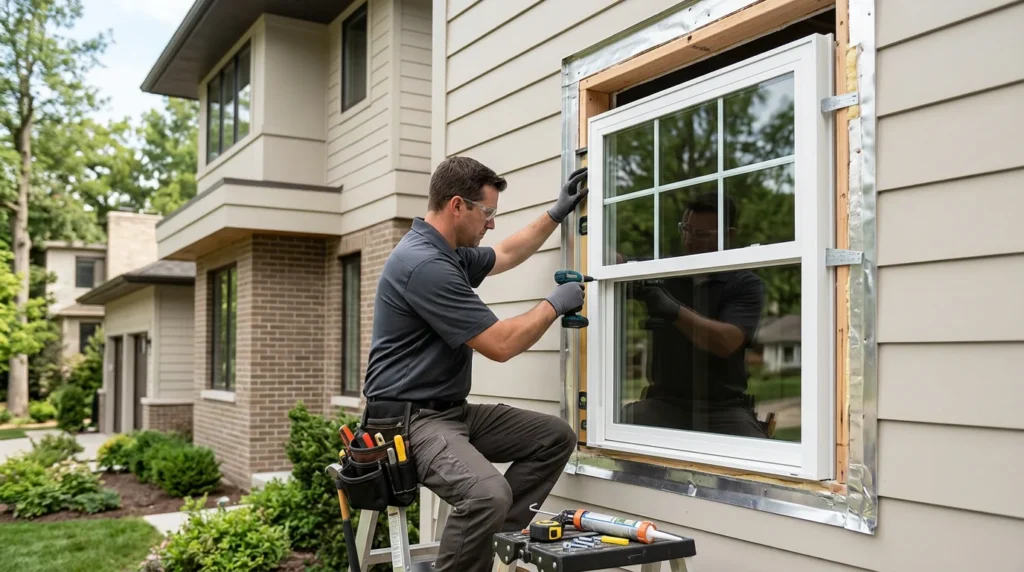
Quick answer: Get an accurate window replacement estimate by confirming the exact window sizes and types, choosing the performance features you actually need (glass package, frame material, and operation style), and having the installer inspect the openings for rot, water damage, and out-of-square frames. Ask for a written scope that lists product line, installation method, trim work, disposal, and how repairs/change orders are documented so the price doesn’t drift later.
What To Gather Before You Request A Quote
You’ll get a cleaner, more comparable quote if you start with a simple window list: how many windows, which rooms, and what type each one is (double-hung, slider, casement, picture, etc.). Rough measurements help, but don’t stress about being perfect—installers confirm sizes on-site. Photos of the interior and exterior, especially any water staining or soft wood, also help a contractor flag potential repair work early.
Be ready to describe what’s driving the replacement. Drafts, hard-to-open sashes, fogging between panes, or visible rot can change the recommended approach. If you’re requesting a window replacement estimate, mention any constraints like second-story access, brick or stucco exteriors, and whether you want to keep the interior trim. Those details affect labor time and the materials needed for a finished look.
Decide ahead of time what you consider “done.” Some quotes include new exterior trim wrap and interior touch-up; others stop at setting the window and basic caulk. Ask the contractor to state in writing what’s included and excluded for interior trim, exterior capping, paint/stain touch-ups, and debris haul-off so you’re not guessing.
What Should Be Included In A Written Estimate
A solid estimate reads like a checklist. It should name the window brand or product line, frame material, glass package (double-pane vs. triple-pane, low-E coatings, gas fill), and any grids or special shapes. Ask for the written unit model number(s) and the ordered unit size(s) (at least rough opening or net frame size) before anything is purchased, so you can confirm you’re comparing the same product across bids.
It should also spell out the installation method: full-frame replacement (down to the studs) or insert/pocket installation (keeping the existing frame). Those are not interchangeable, and the right choice depends on the condition of the old frame and how much you want to change the look. If the plan is insert installation, ask the estimator to note how they’ll address any existing sill rot or out-of-square openings.
Look for line items that confirm what happens around the window: exterior capping or trim, interior stop/trim work, caulking, foam insulation, and disposal of old units. If permits or HOA documentation could be needed in your area, the estimate should say who handles that.
Estimate Checklist
Use this quick checklist to review any proposal before you sign:
1) Full-frame vs insert installation stated
2) Window manufacturer/product line and model number listed
3) Glass package specified (low-E type, panes, gas fill if used)
4) Written unit sizes to be ordered (or clear measurement basis) included
5) Flashing/water-management approach described (e.g., sill pan/flashing tape)
6) Air-sealing method stated (foam/backer rod + sealant)
7) Interior trim work included/excluded (and paint/stain touch-up clarified)
8) Exterior trim/capping included/excluded (material noted)
9) Rot/repair allowance terms spelled out (how priced and approved)
10) Change orders must be written with photos and a signed price before work continues
11) Final measure before order stated
12) Debris disposal/old window haul-off included
Common Reasons Estimates Change After The First Visit
Most “surprises” are hidden behind trim. Wood rot at the sill, water damage under flashing, or a window opening that’s out of square can require carpentry before the new unit can be set correctly. If the estimate mentions an allowance for repairs, ask how repairs will be documented—request before-and-after photos and a written change order that lists the scope, materials, and price, signed by you before proceeding.
If trim has to come off before the full condition is visible, you can protect yourself by asking the installer to take photos of each opening once it’s exposed (or take your own) and attach them to the change order if repairs are needed. That creates a clear record of why the scope changed.
Product choices also move the number. Upgrading to tempered glass in certain locations, changing operating styles, adding noise-reducing glass, or selecting a different exterior color can shift costs. If you’re comparing two proposals, confirm they’re quoting the same glass performance and warranty coverage so you’re not comparing a base window to an upgraded one.
How To Compare Bids Without Getting Burned
Ask each contractor to quote the same scope: same window count, same types, and the same finish level (interior/exterior trim work). Then compare the details that affect comfort and durability: how they seal the gap, how they manage water at the sill/head, and whether they commit to a final measurement step before ordering. Also ask them to write down what protection and cleanup they include (floor coverings, dust control, daily cleanup, and disposal).
Request 2–3 written estimates and compare them line-by-line using the checklist above. If you want local help reviewing a proposal or getting a comparable quote, Georgia Home Windows is a nearby option.